Wuthering Heights: The Song That Launched One of Music's Most Singular Careers

On a January evening in 1978, British television audiences heard something that stopped them in their tracks. A nineteen-year-old woman with extraordinary eyes and an impossibly wide vocal range performed a song about a ghost wandering the Yorkshire moors, and pop music was never quite the same again.

Wuthering Heights became the first self-written debut single ever to reach number one in the UK charts. It spent four weeks at the top in March 1978, an astonishing achievement for any artist, but particularly remarkable for a teenager who had written it the previous year after catching the last few minutes of a 1967 BBC adaptation of Emily Bronte's novel. Kate Bush had not yet read the book at that point. She saw the film on television, was captivated by what she glimpsed, and sat down at the family piano in the early hours of the morning to write what would become one of the most recognisable songs in British pop history.
The song is a remarkable piece of writing by any standard. Bush took the perspective of Catherine Earnshaw's ghost, pleading at Heathcliff's window to be let in, and turned it into something that felt genuinely haunting rather than merely literary. The shrieking upper register that defines the chorus was not a pop affectation but a deliberate artistic choice. Catherine is desperate, disembodied, longing: the vocal had to match.
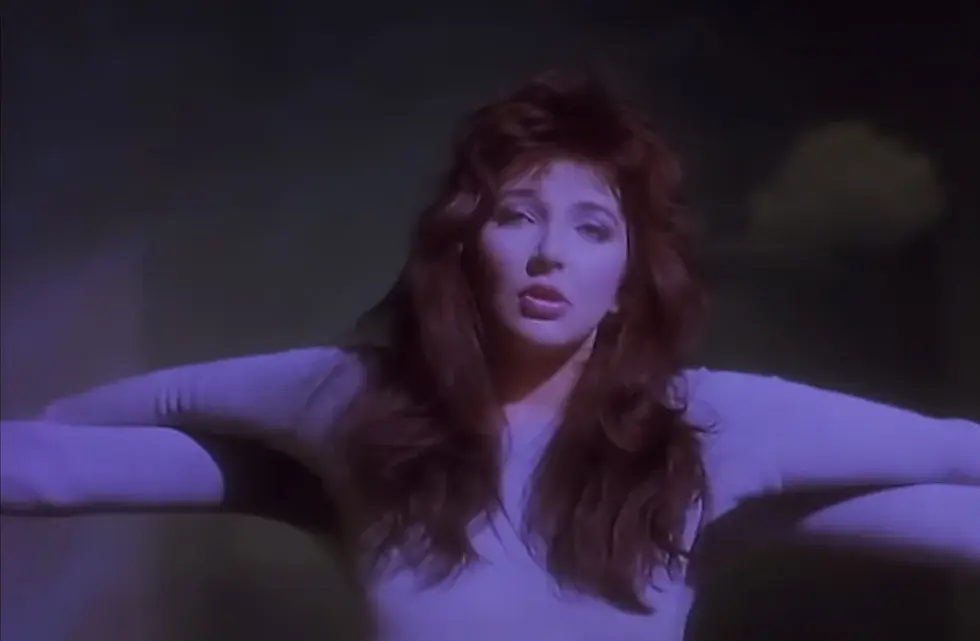
Public reaction was not entirely welcoming at first. Some listeners found the voice unsettling, even strange. Radio programmers were uncertain. But the British public fell in love with it, and within weeks Wuthering Heights had become a genuine cultural moment. Bush appeared on Top of the Pops wearing a flowing red dress, performing with a physical expressiveness that felt closer to contemporary dance than pop television, and a star was born.
What makes the song endure is its specificity. It is not a general love song or a crowd-pleasing anthem. It is rooted in a particular literary world, told from a particular point of view, and performed in a vocal style that could only have come from this one artist. Bush has spoken about how she feels music viscerally before she understands it intellectually, and Wuthering Heights captures that perfectly: you feel its emotion before you begin to analyse its structure.
The production is deceptively simple. A building of strings and keyboards supports a voice that moves from a breathy whisper to a full-throated cry across the course of the track. There are no drums to speak of. The space in the arrangement is just as important as the notes that fill it. For a debut single from a teenager, it demonstrates a level of artistic control that most artists spend decades developing.
The song was released against the wishes of EMI, who wanted Bush to lead with a different track entirely. It was David Gilmour of Pink Floyd who had recognised her talent and helped secure her record deal, and even the label's faith in her was tested by her insistence on this as her debut. She held firm. The decision was entirely vindicated.
Wuthering Heights set the tone for everything that followed. Kate Bush would spend the next four decades making music entirely on her own terms, moving between genres and moods and theatrical ambition with a freedom that very few artists have managed to sustain. She became the first British female solo artist to have a self-penned number one, a milestone that reflects both her commercial impact and her absolute creative independence.
For audiences discovering Kate Bush for the first time through live tribute performances, Wuthering Heights is often the moment of recognition. The melody is instantly familiar even to those who do not think they know it. The emotion is immediate. And when performed live, it retains every bit of its original power.
Almost Kate Bush places Wuthering Heights at the heart of its programme, performed by voice and piano in an intimate theatre setting that strips the song back to its classical roots. The piano reveals the harmonic architecture beneath the production, and the voice has nowhere to hide. It is one of those performances that reminds you what a remarkable piece of music this truly is.
To experience Wuthering Heights and Kate Bush's extraordinary catalogue in a live theatre setting, visit www.almostkatebush.com for upcoming show dates.


Comments